What Households Should Know Before Exploring Assisted Living
Business Name: BeeHive Homes of Farmington
Address: 400 N Locke Ave, Farmington, NM 87401
Phone: (505) 591-7900
BeeHive Homes of Farmington
Beehive Homes of Farmington assisted living care is ideal for those who value their independence but require help with some of the activities of daily living. Residents enjoy 24-hour support, private bedrooms with baths, medication monitoring, home-cooked meals, housekeeping and laundry services, social activities and outings, and daily physical and mental exercise opportunities. Beehive Homes memory care services accommodates the growing number of seniors affected by memory loss and dementia. Beehive Homes offers respite (short-term) care for your loved one should the need arise. Whether help is needed after a surgery or illness, for vacation coverage, or just a break from the routine, respite care provides you peace of mind for any length of stay.
400 N Locke Ave, Farmington, NM 87401
Business Hours
Families normally begin checking out assisted living after a small yet distressing pattern shows up. A parent that was when thorough starts missing medications. A partner fails to remember dishes, or a home that used to feel resided in currently really feels cluttered, dark, and more difficult to handle. In some cases the adjustment is steady enough that nobody can name the exact moment when home quit being the best option. Various other times a fall, a hospitalization, or a diagnosis forces the concern quickly.
That is commonly when the look for assisted living begins, and it can feel like stepping into a globe with its very own language. Households compare layout, ask about levels of care, and search online for senior care near me or assisted living near me, wishing the appropriate response will certainly appear in a local list of neighborhoods. However the real decision is extra personal than that. Great senior living is not practically finding a clean building with pleasurable team. It has to do with matching an individual's demands, routines, personality, clinical truths, and spending plan with a setting that can really support day-to-day life.
The family members I have actually seen browse this well do not begin with sales brochures. They start with the useful inquiry: what is coming to be hard, and what type of assistance is actually needed?
The correct time to start looking is normally earlier than individuals think
Many family members wait up until they are exhausted. That is reasonable, however it tightens the choices. Assisted living jobs best when there is still time for thoughtful contrast, discussion, and planning. If a parent is still living in the house but struggling with showering, clothing, taking care of medications, or preparing dishes regularly, that is not a small inconvenience. It is commonly the point where senior care comes to be a genuine factor to consider instead of a theoretical one.
An error I see typically is assuming assisted living is just for individuals that are really frail. In practice, lots of locals relocate while they are still fairly active. They might not require nursing home care, however they do require a much safer setting, normal dishes, housekeeping, transport, and help with specific activities of daily living. Some neighborhoods additionally offer respite care, which can be valuable after surgery, throughout a caregiver's journey, or when a family members requires short-term assistance while selecting a longer-term plan.
Waiting as well long can make the shift harder. If a person has actually currently had duplicated drops, extreme fat burning, or innovative confusion, the move can seem like crisis administration as opposed to a prepared adjustment. Starting early offers living rooms to compare neighborhoods smoothly and lets the older grown-up feeling included as opposed to relocated.
Assisted living is assistance, not surrender
One factor families wait is that assisted living can sound like a loss of self-reliance. That concern is real. No one intends to really feel pressed out of their very own life. Yet the very best neighborhoods are developed to maintain freedom, not erase it. Locals typically have personal homes or suites, pick their routines, decide when to get up, what to consume, and how to spend their day. What modifications is the quantity helpful readily available when needed.
That distinction matters. An individual that takes pleasure in analysis, gardening, or get-togethers may do far better in senior living than in your home simply due to the fact that the concern of housekeeping, cooking, and taking care of medicines has actually started to crowd out the components of life they really take pleasure in. I have actually seen individuals end up being much more energetic after moving due to the fact that they were no more investing their power on tasks that had actually become physically challenging or psychologically draining.
Still, assisted living is not the ideal fit for every person. Some people need memory care due to roaming or severe dementia. Others need skilled nursing since they require complicated clinical supervision, wound care, or constant medical focus. Family members should not think that every senior care neighborhood is interchangeable. The ideal degree of assistance depends upon the individual's details needs, not on what is closest or simplest to visit.
What services typically matter most
When families tour communities, they frequently concentrate on style initially. Pleasant common areas issue, but they need to not be the main event. The services underneath the surface are what form daily life.
The essential concerns generally center on personal care, medication assistance, meals, housekeeping, transportation, and personnel accessibility. It helps to ask just how the community aids with showering, dressing, toileting, and mobility, given that those needs can transform with time. Medicine administration should have close attention, because even a qualified resident can come to be bewildered by multiple prescriptions, dose adjustments, or memory issues.
Meals are another location where families in some cases ignore the impact. An area can have a beautiful dining-room, yet if the food is dull, served at bothersome times, or tough to modify for dietary needs, citizens can lose weight or miss meals. I have actually seen grown-up youngsters assume their parent would "simply adapt," only to discover that consuming was just one of the very first points to experience. Food is not a side problem. In assisted living, it forms health and wellness, social life, and mood.
Transportation likewise matters more than many individuals expect. Being able to reach a physician's consultation, pharmacy, prayer solution, or family event can figure out whether a resident feels connected or separated. For people that no more drive, trustworthy transport can be the difference between a life that continues to be active and one that silently shrinks.
The staff tells you as much as the structure does
When family members tour a community, they usually see the chandelier, the activities calendar, and the model apartment or condo. Those are very easy to see. What is more difficult to judge, and more crucial, is just how team communicate with homeowners when no one is doing for the tour.
Watch whether staff members greet residents by name. Notice whether they crouch down to talk to somebody in a wheelchair rather than talking over them. Focus on whether team seem hurried, tranquility, detached, or genuinely conscientious. Those signs can inform you a whole lot about the society. A sleek front workdesk means little if the caretakers are short-handed or burned out.
It is also worth asking about staffing patterns throughout different shifts. Several locations look good in the center of the day, when more people are on responsibility and activities are underway. Nighttime, weekend breaks, and holidays can be really different. Households ought to ask who is available after hours, just how emergencies are dealt with, and how swiftly a resident can anticipate assistance if they use a call system.
If a community is obscure concerning staffing, that is an indication. Excellent senior care needs to be described clearly, not concealed behind advertising and marketing language.
Costs are much more challenging than the marketed rate
This is where several family members get caught off-guard. Assisted living pricing frequently begins with a base monthly charge, but the real costs can be higher depending upon care requirements, apartment or condo dimension, drug aid, and add-on services. One area may seem costly in the beginning glance and another more inexpensive, up until the information are lined up side by side.
Families must ask what is included in the base price and what expenses extra. That may seem obvious, but lots of people do not ask directly sufficient. Does the fee consist of dishes, housekeeping, washing, transportation, wire, or phone service? Exists an one-time community cost? Are care levels examined occasionally and readjusted if demands increase? What occurs if a resident creates dementia or requires much more hands-on help?
Budgeting truthfully hurts but required. It is much better to understand early whether a relocation can be suffered for one year, 3 years, or longer. Some households have the sources for private pay only for a minimal time. Others may integrate individual funds with long-lasting care insurance coverage or veteran benefits, relying on qualification. Due to the fact that every situation is various, households ought to not presume that a solitary quote tells the whole story.
A functional way to consider it is this: the regular monthly rate is not just a lease settlement. It is the cost of a way of living and an assistance system.
The emotional shift deserves as much planning as the logistics
Even when the choice makes best sense theoretically, the step can still land difficult emotionally. Older adults may feel despair, embarrassment, anger, or alleviation, sometimes done in the very same week. Grown-up kids frequently lug their own complex feelings. They may really feel guilty for wanting assistance, or distressed that they are insufficient on their own. None of that is unusual.
I have actually seen households handle this part well by talking about the relocate regards to support as opposed to loss. That framing issues. If the discussion becomes, "You can't manage anymore," the older grownup may close down. If it comes to be, "We want you somewhere much safer, where life is easier and you will certainly have people around you," the tone changes. It does not get rid of unhappiness, however it decreases shame.
Bringing the older adult into the decision additionally helps. Allow them tour the area. Allow them ask about activities, pets, furnishings, and site visitors. If they have to move, give them some control over the arrangement of their area. Small selections, such as where to place a preferred chair or which pictures to present, can make the environment really feel less clinical and much more like home.
A short checklist for family members contrasting communities
There are minutes when a basic list is actually useful, particularly after a number of scenic tours blur together. Maintain it focused on the inquiries that affect everyday life most directly.
- What level of everyday assistance is included, and what prices extra?
- How does the area deal with medicines, emergency situations, and after-hours help?
- What does a regular day look like for residents, including dishes and activities?
- How do they sustain locals whose demands raise over time?
- What do existing citizens and households say about communication and responsiveness?
That last inquiry is especially vital. A beautiful pamphlet can state practically anything. The lived experience of residents and households is more challenging to fake.
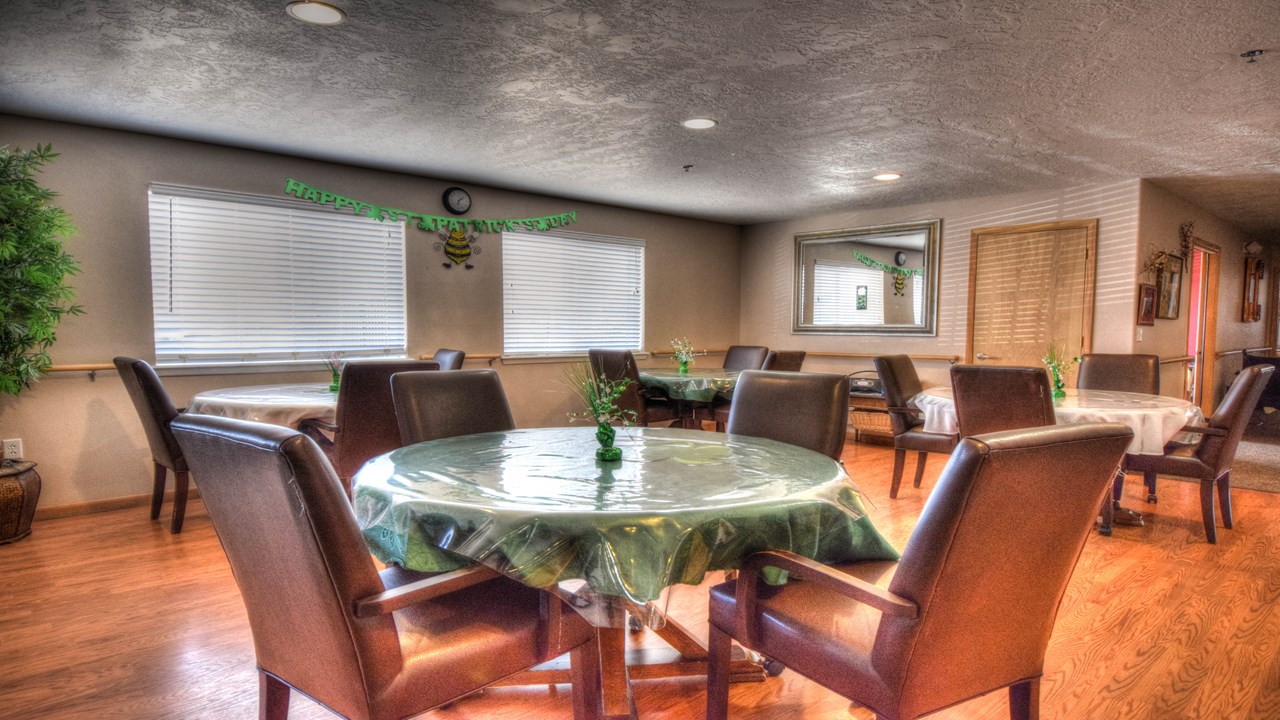

Respite care can be a useful bridge, not simply a back-up plan
Some families think they have to either maintain somebody at home or make a long-term move. Respite care creates a center course. It can offer an older grownup a momentary stay in assisted living, commonly after hospitalization or while a caregiver recoups from burnout. It can additionally act as a dry run, which works if the family is unclear how well a person will adapt.
A short stay can disclose points that no tour can. Is the individual consuming well? Are they comfortable with the routine? Do they appear much more involved or more taken out? Does the area deal with changes efficiently? For family members under pressure, a respite stay can be eye-opening in the most effective method, because it transforms abstract concerns into genuine observations.
That stated, a test keep is not a promise that every permanent relocation will feel the same. People act differently when they know they senior living are seeing. Still, respite care can minimize worry and boost decision-making, specifically when the family is stabilizing fatigue, work, or distance.
Visiting greater than when alters what you notice
One visit is rarely enough. When possible, see the area at various times of day. An early morning visit can reveal breakfast regimens and staff prep work. A mid-day visit may disclose activity degrees and social energy. A later visit can tell you whether the structure really feels cleared up or stressed at change change.
Bring questions, yet leave space to observe. Is the hallway silent since residents are resting, or because there is little activity? Are people collecting naturally, or are they parked before a television? Does the dining-room feel welcoming? Are citizens tidy, dressed comfortably, and engaged? Those information matter since they speak with exactly how the area runs when no person is presenting a show.
If you are contrasting numerous communities, make a note of what stands apart instantly after each visit. Memory gets unclear swiftly, especially when every location claims to supply caring care and energetic senior living. 2 or 3 days later on, the distinctions can be more difficult to divide unless you captured them while they were fresh.
What family members frequently overlook up until after move-in
Even a careful decision can reveal surprises as soon as the move is total. Some residents require time to adapt to personnel regimens. Others discover the size of the apartment smaller than they anticipated, or discover that hearing the dining-room smashing every evening is much more tiring than they envisioned. Family members might likewise recognize that their loved one requires more social inspiration than anticipated.
This is where adaptability matters. An action is not completion of the preparation procedure. It is the begin of a new stage that should still be monitored. If the resident is slimming down, skipping activities, or becoming uncommonly withdrawn, the family must speak out. If medicine schedules seem complex or individual care is not taking place reliably, those problems ought to be addressed quickly.
Good neighborhoods invite that responses. They recognize that assisted living is most reliable when families remain entailed without trying to micromanage every information. The balance is delicate. Too much pressure can stress team partnerships, yet silence can permit small issues to grow.
The finest choice is the one based in everyday reality
Families often look for a perfect solution, yet the better goal is a convenient one. The ideal assisted living neighborhood is not always the fanciest one, the closest one, or the one with the most sleek web site. It is the place where an older grownup can be secure, revered, and supported in a manner that fits their actual life.
That might indicate selecting a community because the personnel seems warm and regular, even if the décor is modest. It may indicate choosing a place with strong memory assistance because cognitive modifications are progressing. It may mean taking into consideration senior care near me alternatives that are a little further away since the care model is better. It may also imply utilizing respite care first, so every person can evaluate the fit prior to making a longer commitment.
Families that put in the time to ask hard concerns generally do much better than those that rush to a decision under stress and anxiety. They look beyond appearances. They contrast costs truthfully. They weigh freedom versus safety without acting the trade-off does not exist. Most importantly, they remember that assisted living is not regarding relocating someone out of a home. It has to do with selecting an establishing where life can continue to be sensible, functional, and as complete as possible.
BeeHive Homes of Farmington provides assisted living care
BeeHive Homes of Farmington provides memory care services
BeeHive Homes of Farmington provides respite care services
BeeHive Homes of Farmington supports assistance with bathing and grooming
BeeHive Homes of Farmington offers private bedrooms with private bathrooms
BeeHive Homes of Farmington provides medication monitoring and documentation
BeeHive Homes of Farmington serves dietitian-approved meals
BeeHive Homes of Farmington provides housekeeping services
BeeHive Homes of Farmington provides laundry services
BeeHive Homes of Farmington offers community dining and social engagement activities
BeeHive Homes of Farmington features life enrichment activities
BeeHive Homes of Farmington supports personal care assistance during meals and daily routines
BeeHive Homes of Farmington promotes frequent physical and mental exercise opportunities
BeeHive Homes of Farmington provides a home-like residential environment
BeeHive Homes of Farmington creates customized care plans as residents’ needs change
BeeHive Homes of Farmington assesses individual resident care needs
BeeHive Homes of Farmington accepts private pay and long-term care insurance
BeeHive Homes of Farmington assists qualified veterans with Aid and Attendance benefits
BeeHive Homes of Farmington encourages meaningful resident-to-staff relationships
BeeHive Homes of Farmington delivers compassionate, attentive senior care focused on dignity and comfort
BeeHive Homes of Farmington has a phone number of (505) 591-7900
BeeHive Homes of Farmington has an address of 400 N Locke Ave, Farmington, NM 87401
BeeHive Homes of Farmington has a website https://beehivehomes.com/locations/farmington/
BeeHive Homes of Farmington has Google Maps listing https://maps.app.goo.gl/pYJKDtNznRqDSEHc7
BeeHive Homes of Farmington has Facebook page https://www.facebook.com/BeeHiveHomesFarmington
BeeHive Homes of Farmington has an YouTube page https://www.youtube.com/@WelcomeHomeBeeHiveHomes
BeeHive Homes of Farmington won Top Assisted Living Home 2025
BeeHive Homes of Farmington earned Best Customer Service Award 2024
BeeHive Homes of Farmington placed 1st for Senior Living Communities 2025
People Also Ask about BeeHive Homes of Farmington
What is BeeHive Homes of Farmington Living monthly room rate?
The rate depends on the level of care that is needed (see Pricing Guide above). We do a pre-admission evaluation for each resident to determine the level of care needed. The monthly rate is based on this evaluation. There are no hidden costs or fees
Can residents stay in BeeHive Homes until the end of their life?
Usually yes. There are exceptions, such as when there are safety issues with the resident, or they need 24 hour skilled nursing services
Do we have a nurse on staff?
Yes. Our administrator at the Farmington BeeHive is a registered nurse and on-premise 40 hours/week. In addition, we have an on-call nurse for any after-hours needs
What are BeeHive Homes’ visiting hours?
Visiting hours are adjusted to accommodate the families and the resident’s needs… just not too early or too late
Do we have couple’s rooms available?
Yes, each home has rooms designed to accommodate couples. Please ask about the availability of these rooms
Where is BeeHive Homes of Farmington located?
BeeHive Homes of Farmington is conveniently located at 400 N Locke Ave, Farmington, NM 87401. You can easily find directions on Google Maps or call at (505) 591-7900 Monday through Sunday 9:00am to 5:00pm
How can I contact BeeHive Homes of Farmington?
You can contact BeeHive Homes of Farmington by phone at: (505) 591-7900, visit their website at https://beehivehomes.com/locations/farmington/,or connect on social media via Facebook or YouTube
Animas Park provides flat, scenic paths ideal for assisted living and memory care residents enjoying senior care and respite care outings.